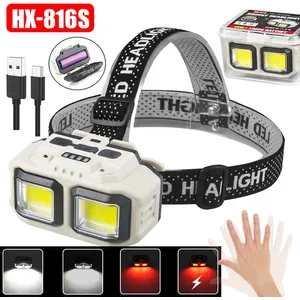
What is the difference between an LED flashlight and an incandescent flashlight?
LED flashlights consume much less energy, have a much longer lifespan, and offer more intense and constant brightness than traditional incandescent lamps. They are also more resistant to shocks and heat.
How do I choose the right brightness (lumens) for my flashlight?
The lumen output indicates brightness. For light daily use (home, car), 100-300 lumens are sufficient. For outdoor activities (camping, hiking, searching), opt for 500-1000 lumens or more. For professional uses (security, rescue), aim for 1000 lumens and above.
What types of batteries or cells are most common for flashlights?
The most common types are alkaline batteries (AA, AAA, D), rechargeable batteries (NiMH), and lithium-ion batteries (often integrated or in the 18650 format). Rechargeable batteries and lithium-ion batteries are more economical and environmentally friendly in the long run.
What is the IP rating and why is it important?
The IP rating (Ingress Protection) indicates the flashlight's resistance to dust and water. For example, an IP67 rating means complete protection against dust and resistance to temporary immersion in water. This is crucial for lamps intended for outdoor use or in harsh environments.
Do you offer USB rechargeable flashlights?
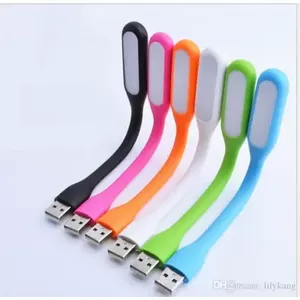
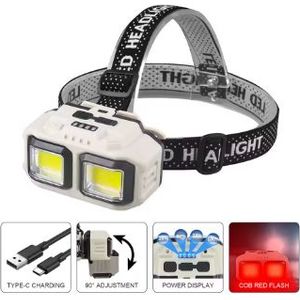
Yes, we offer a selection of USB rechargeable flashlights. This is a convenient option that allows you to easily recharge your flashlight with a wall outlet, a laptop, or a power bank, without the need for disposable batteries.
What is the expected lifespan of a good LED flashlight?
The lifespan of an LED itself can reach 50,000 to 100,000 hours, which equates to many years of use. The overall lifespan of the flashlight will also depend on the quality of its components (switch, electronics) and how it is used and maintained.